
Archives: Resources

Positive Parenting

Picture Cards

Mental Health Awareness Week Challenge Sheet

Conversation Starters

Awaiting Assessment

As a parent we want our children to reach their full potential, but for some children this involves receiving specialist support, which requires an assessment. However, waiting on assessment can be difficult. As a parent there are things you can do to help your child while waiting.
Visual Supports
If your child struggles with
communication, make some visual
supports such as photographs of
everyday things.. Use the visual
support while also naming the
object or task. Think about how
you give your child instructions
and consider if this could be
clearer, e.g. break down into
a step by step plan
Alternative Ideas
If your child struggles with the
concept of time try using a sand
timer to help your child.. Your child
will understand much better if you
say “Two more goes before we put
your toys away” rather than “Five
minutes until we tidy up”
Play
helps to develop skills such as sharing,
patience and increase attention span.
It is also a great way to strengthen
your relationship with your child
while having fun. Encourage your child
to lead the play activity using their
imagination
Learn
the art of keeping calm. Reacting
to your child with a calm assertive
approach will work best when things
don’t go so well. Speaking to other
parents can reduce feelings of
isolation and increase your knowledge
of Autism which may help you help
your child.
Focus
on what your child can do rather than
what they can’t. Use lots of praise and
encouragement when they accomplish
a new task or behave well. All children
are unique and you as their parent
have the greatest knowledge of your
child. Keeping a notebook on what
behaviours you notice can help with
the assessment
Practice self-care
Parents need to look after their own
mental and physical health so they
can parent effectively and advocate
for their child. Talking through your
concerns and frustrations can help
reduce your worry & anxiety. Seek
support either from other parents,
a support group or from organisations
such as Parenting NI.
Mental Health

Mental health affects the way we think and feel about ourselves and others, and how we respond to daily life. We can find it hard to talk about mental health but communication and sharing feelings with our children can make all the difference.
Make yourself available
We all have busy lives and sometimes
our children may feel we are too busy
to chat. Make your presence known
to your child and let them know you
are happy to talk and listen to them
about any worries they may have. You
don’t need to set aside lots of time to
have a chat just opening up can make
a difference. Keeping it informal and
taking an interest in what they are
doing allows opportunities to strike
up a conversation.
Talk about your day
Set time aside each day to chat to
each other about your day both the
good and the less positive things
that happened. Try ending the day
on something positive ready for
the next day.
Notice how your child
communicates in other ways
Children and teenagers express
themselves in different ways not
just through talking but through
play, music, behaviour, body language
and facial expressions. You can
learn a lot about how they may be
feeling by spending time with them
and watching them play or engage
in activities.
Use appropriate
language
Depending on the age of the child,
they may not understand the
terminology associated with mental
health. Children will understand
the idea of feeling sad, stressed or
anxious; explain that this is what is
meant when we talk about mental
health. For younger children, you
can use face flashcards to illuminate
different emotions.
Keep an open mind
Try to avoid being critical or
dismissive of children’s feelings and
be accepting in order to normalise
talking about mental health.
Ask for help
Remember, no one has all the
answers; not knowing things
about mental health is OK. Don’t
be afraid to ask for help from
family and friends, a doctor or
support organisations.
Child Anxiety
All children have worries and fears from time to time. When children feel completely overwhelmed by anxious thoughts, they struggle to do everyday things. Parents cannot protect their children from experiencing anxiety but what they can do is help their children learn to manage it.
Healthy Coping
Strategies
Talk to your child about their fears
and worries and help them learn
a variety of coping strategies. Having
a list of strategies to use in a moment
of anxiety can help children to cope
such as deep breathing, using a stress
ball, writing it down or counting to 10.
Respect Your Child’s
Feelings
Listen and empathise when your
child expresses their fears and
worries. Avoid saying things such as,
“There is nothing to worry about.
You will be fine.” Let them know you
understand how they are feeling.
Focus on the positives
Children who are anxious can get lost
in negative thoughts, self-criticism
and worry about future events. Focus
on your child’s positive qualities; the
more regularly you do this the more
that it will encourage your child
to focus on the positives.
Stay calm
Children and teenagers pick up on
their parent’s emotions. If you are
feeling anxious, your child will pick
up on that and they could experience
an increase in their own anxiety.
Deliberately slow down your speech,
take deep breaths to relax, and ensure
that your body language and facial
expressions show that you are calm.
Building Resilience
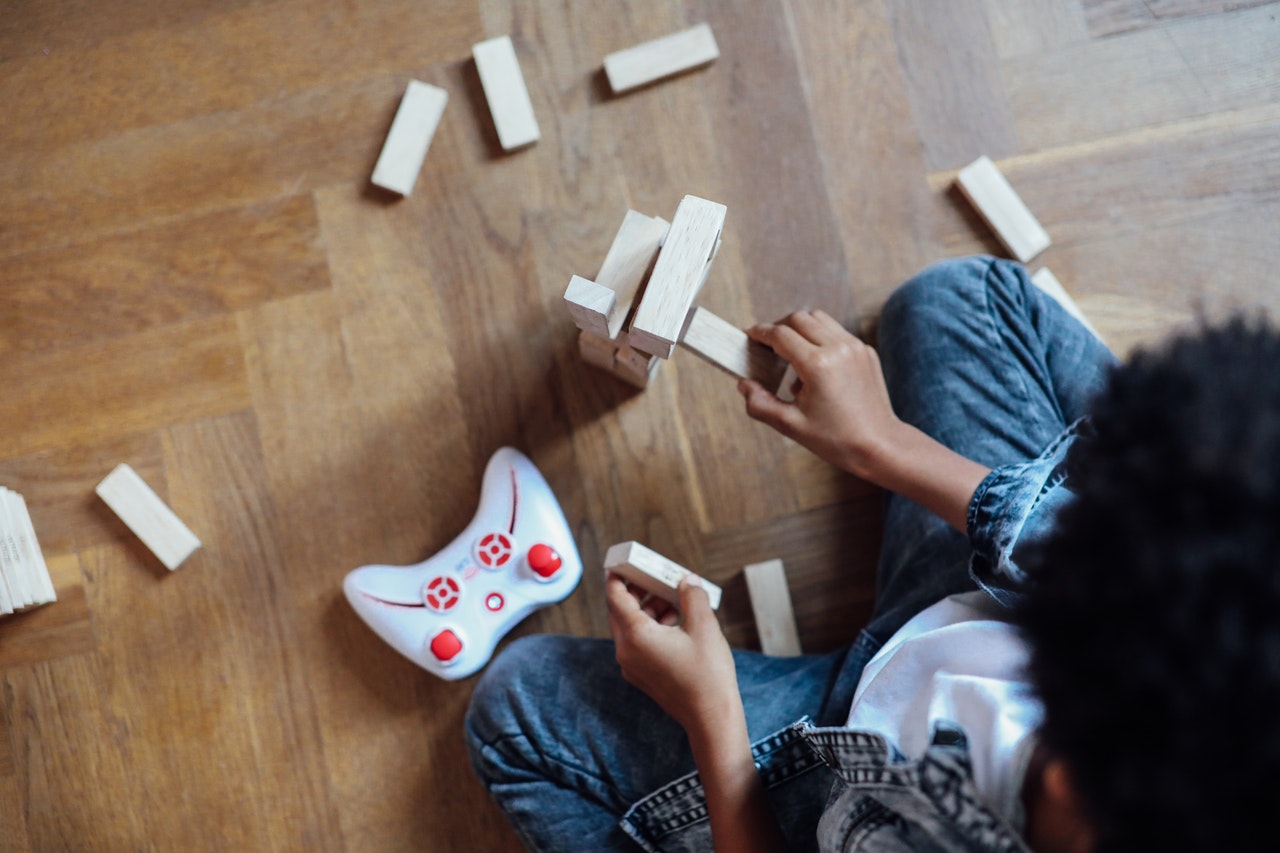
Resilience increases a child’s ability to cope with challenges life can throw at them such as; adapting to school, making friends, and at times more serious life events like a death in the family, divorce or separation. All children can develop these skills, however resilience needs to be nurtured and strengthened. Parents play a vital role in promoting and supporting the building of resilience in their children.
Normal Setbacks
Explain to your child that it is not
unusual to experience difficulties
in life and show them that problems
can be solved. Let your child know
it is okay to make mistakes and learn
from them to help make better
decisions the next time.
Keeping perspective
Encourage your child to keep things
in perspective by looking at problems
within the bigger picture. Remind
them that bad feelings don’t last, can
have a purpose and can prompt us to
do things differently in the future.
Provide opportunity
for learning
You can illustrate resilience to
your child by pointing out how
characters overcame difficult
scenarios when reading stories
together.
Hang on to humour
Remember the importance of having
fun – laughter is a great way of
reducing tension. Well intentioned,
playful humour can help you and
your child get through tough times.
Positivity
Model resiliency in your own
behaviour; try to remain calm
and consistent in how you handle
challenges. Create a positive
environment emphasising the
importance of relationships.
Support
Provide your child with support and
help them manage their emotions
appropriately. Let them know that
they have people who love and care
about them and can give them help
and advice when they need it.
Teens Emotional Wellbeing

Teens need healthy, supportive, & stimulating environments with a clear focus on, & commitment to helping them
improve their self-esteem, build resilience & develop good relationships. With such support, they are more likely to
become confident, happy & ambitious people.
Understand Importance
It is important for parents to
understand that good emotional
& mental health is important in
helping to strengthen a teenager’s
capacity for relationships,
improve educational attainment,
promote social inclusion, expand
opportunities & improve general
health & wellbeing.
Healthy Relationships
Good relationships can be positive
& reassuring, whereas difficult
ones can be negative & upsetting.
Relationship-building involves social
skills. Parents can help teenagers
develop these skills by ensuring they
have ample opportunities through
sharing, appreciation of diversity,
consistent routines, collaboration
& opportunities to connect with
others. It’s important to encourage
teenagers to forge solid connections,
to learn about give-&-take and
conflict resolution.
Manage Emotions
Talking about emotions can be an effective
way to deal with them. Listen carefully
to what your teen has to say. Give them
the time & space they need to put their
feelings in perspective, and learn to
regulate them. Teenagers who can manage
their emotions are stronger, they are ready
to welcome learning experiences, ask
questions, and to discover new, creative, &
comprehensive ways of thinking about the
world around them.
Remember the givens!
There are certain non-negotiables
that encourage healthy teenage
development & sustain their
well-being for example, safety,
unconditional love, sensible & fair
guidance, connectivity, honesty.
Support
Teens need supportive environments
when experiencing poor mental
health. Support for mental health
problems is available. Be open to
seek help, from professionals not just
for your teenager but for you as the
parent, as well.
Self-Esteem
Teenagers often face uncertainties,
they have to cope with competitive
environments, challenging situations,
meeting difficult expectations, etc. Many
teens struggle with confidence. Help them
believe in themselves. Reinforcement and
encouragement from parents can go a
long way towards strengthening teenager’s
self-esteem, and instilling feelings such as
optimism & relief.
Support line: 0808 8010 722
parentingni.org